
Tea instead of coffee: Why Guayusa is the healthiest alternative

Tea instead of coffee ? Green tea and black tea are healthier, but Guayusa is the best coffee alternative ! Up to 200 mg of caffeine and L-theanine boost your focus without the caffeine crash.
Table of contents
- Introduction: Coffee or tea – which is better?
- Coffee in Review: Advantages, Disadvantages, Special Features
- Tea in Focus: Why Green Tea, Black Tea and Guayusa Score
- Comparison: Coffee vs. Tea – Which Wins in Health and Effects?
- Why Guayusa is the best coffee alternative
- Conclusion: Your path to more health and focus
1. Introduction: Coffee or tea – which is better?
Summary: Coffee and tea provide energy, but which beverage is healthier? Tea instead of coffee could revolutionize your everyday life—especially with guayusa!
Are you a coffee drinker but looking for an alternative?
Coffee or tea – the question is troubling you because you want energy without side effects like jitters or a rumbling stomach. Coffee gives you a quick kick, but tea, like green tea, black tea, or guayusa , scores points for its health benefits and gentle effects.
In this article, we rationally compare tea and coffee : What are their advantages, disadvantages, and characteristics? Spoiler alert: Which is the healthiest and most beneficial coffee alternative that combines focus and well-being?
2. Coffee in review: advantages, disadvantages, special features
Is coffee your morning ritual? No wonder – it wakes you up like no other beverage. But what makes coffee so special, and what are its weaknesses? Let's compare coffee and tea to see why you might want to choose an alternative.
Benefits: Coffee is a caffeine champion. With 1.4–3.2% caffeine (depending on the bean, e.g., Robusta is stronger than Arabica), a cup (350 ml) delivers approximately 80–150 mg of caffeine. Studies clearly show that caffeine boosts your alertness and cognitive performance in minutes—ideal for starting the morning or meeting deadlines. Added to that are antioxidants like chlorogenic acids, which can inhibit inflammation.
Disadvantages: Coffee has its downsides. Its caffeine takes effect quickly, but often causes jitters, rapid heartbeat, or stomach irritation, especially on an empty stomach.
Studies suggest that high caffeine consumption (over 400 mg daily) increases sleep disturbances and anxiety. Furthermore, coffee lacks the gentle effects of tea and coffee alternatives like guayusa, which provide balancing benefits through L-theanine.
Special features: Roasting affects not only the flavor but also its digestibility. Industrial coffee, for example, is usually heated to far too high a temperature, which can lead to stomach irritation. Coffee also contains the well-known caffeic acid, which imparts flavor but is hard on the stomach. Compared to tea, coffee lacks significant amounts of secondary plant substances such as catechins , which make tea healthier.
3. Tea in Focus: Why Green Tea, Black Tea and Guayusa Score
Summary: Tea instead of coffee ? Green tea, black tea, and guayusa offer health and gentle energy.
If you love coffee but are looking for something healthier, tea is your game changer. When comparing coffee and tea, tea scores highly with its antioxidants, gentle benefits, and variety. But how do green tea, black tea, and guayusa compare? Let's examine the advantages, disadvantages, and special features – and why guayusa is revolutionizing the tea and coffee world .
3.1. Green tea: health in every cup
Benefits: Green tea is a health booster. It contains catechins, powerful antioxidants that reduce inflammation and, according to studies , can protect the heart. With 20–45 mg of caffeine per cup (400 ml), it provides gentle energy, ideal for calm focus. L-theanine promotes a "wakeful, zen state" without jitters.
Disadvantages: Green tea is n't a caffeine champion . Its alertness lags behind that of coffee —it's often too weak for that morning kick . Some varieties taste bitter, and tea bags contain fewer active ingredients.
Special features: Matcha, a concentrated green tea variant, provides up to 80 mg of caffeine per serving (2 g) and more catechins. Green tea requires precise preparation (80 °C, 2–3 minutes) to avoid bitterness.
3.2. Black tea: classic with character
Benefits: Black tea is versatile and powerful. With 20–90 mg of caffeine per cup (400 ml), it offers more energy than green tea, yet remains smoother than coffee. Its flavonoids promote heart health and strengthen blood vessels—a fact proven in numerous studies . Black tea is gentler on the stomach than coffee.
Disadvantages: Black tea has fewer antioxidants than green tea because fermentation reduces catechins. It doesn't provide as much alertness as coffee, and excessive consumption (over 4 cups) can upset the stomach due to tannins.
Special features: Varieties like Darjeeling and Assam vary in flavor – from mild to spicy. Black tea contains thearubigins, which give it its dark color and can aid digestion.
3.3. Guayusa: The power alternative
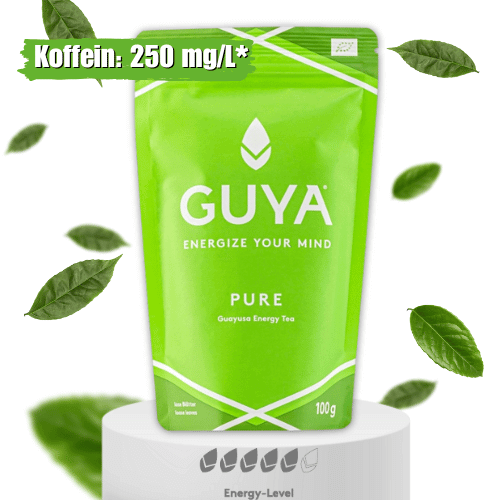
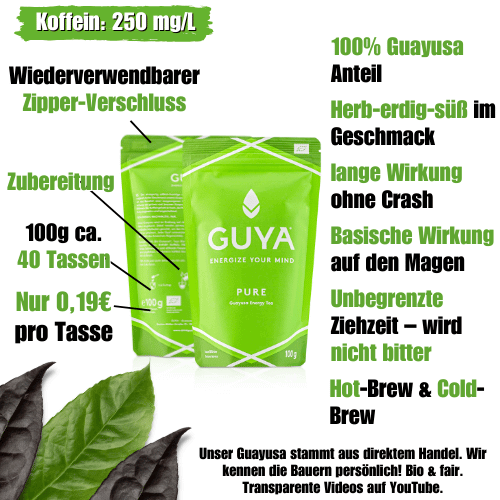
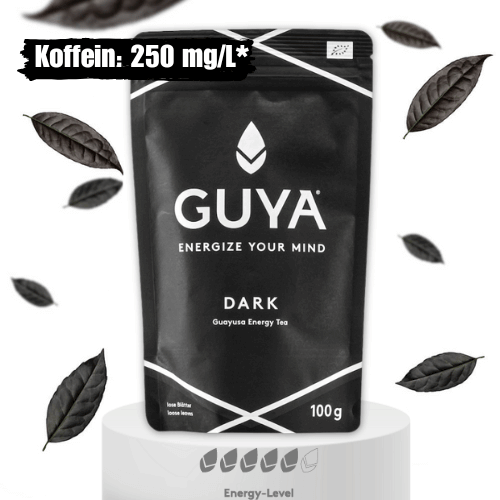
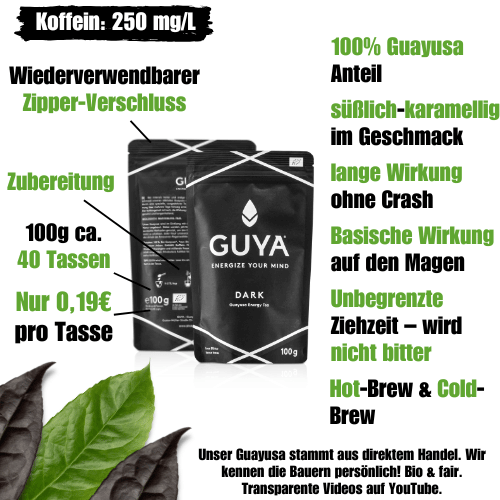
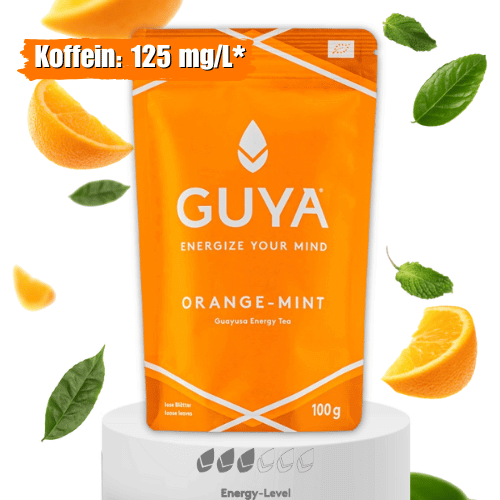
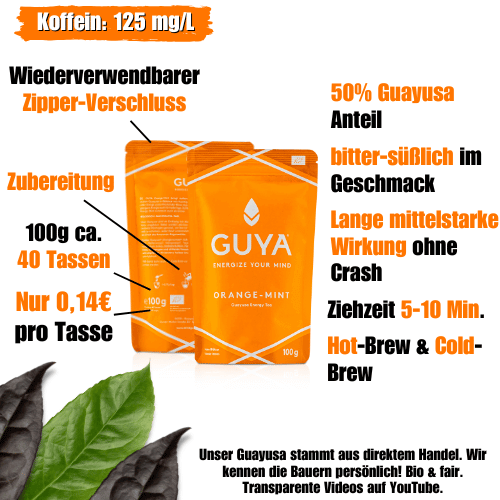
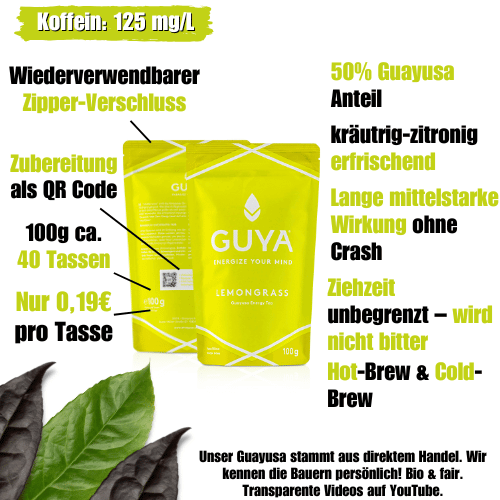
Benefits: Guayusa is the queen of teas! With up to 7.6% caffeine (90–200 mg per 400 ml cup), it delivers a coffee-like alertness that lasts significantly longer. L-theanine promotes focus without the crash, and antioxidants surpass green tea. Guayusa is gentle on the stomach and, according to studies, boosts cognitive performance —perfect for long days.
Learn more about the effects of Guayusa in our detailed article.
Disadvantages: Guayusa is rarer and more expensive than green or black tea. The taste (earthy, slightly sweet, and herbal) takes no getting used to, but may be a bit unusual for coffee fans at first, as it lacks the bitterness. Guayusa itself is very easy to drink, reminiscent of a light herbal tea—unlike mate tea, which requires a little getting used to.
Special features: Guayusa originates from the Amazon and is traditionally used for mental clarity. Its high L-theanine content (up to 130 mg/100 g) makes Guayusa tea unique—no other tea combines health and alertness so effectively.
4. Comparison: Coffee vs. Tea – Which Wins in Health and Effects?
Summary: Tea instead of coffee ? Tea is healthier, coffee makes you more alert – but Guayusa combines the best of both tea and coffee .
Are you faced with a choice: coffee or tea ? Both have strengths and weaknesses. Let's compare coffee and tea in terms of health benefits and effects to see why Guayusa is the ultimate alternative for coffee drinkers like you.
Health: Tea clearly wins. Green and black tea provide catechins and flavonoids that protect your heart and reduce inflammation – studies show up to a 20% lower risk of heart disease in tea drinkers. While coffee contains antioxidants (chlorogenic acids), it often irritates the stomach and can cause sleep disturbances if consumed in excess. Guayusa trumps both: Up to 130 mg of L-theanine per 100 g ensures a focused/concentrated waking state without the crash, and its antioxidants surpass those of green tea, as analyses show.
Alertness: Coffee leads – but only just. With 80–150 mg of caffeine per cup (350 ml), it wakes you up faster than green tea (20–45 mg) or black tea (20–90 mg). A study shows that caffeine from coffee takes effect within minutes, but often with jitters. Green tea and black tea are gentler, but remain too weak for a morning boost. Guayusa is the exception: With 90–200 mg of caffeine per cup (400 ml), the plant delivers coffee-like power, combined with the other natural ingredients L-theanine , theobromine , and theophylline for long-lasting focus.
Effects and well-being: Tea scores with gentle energy. L-theanine in green tea and guayusa creates a "wakeful, Zen state" that coffee doesn't offer—ideal if you want to avoid stress. Black tea, with thearubigin, supports digestion but is less beneficial to health. Coffee gives you a quick boost, but its caffeine can trigger heart palpitations and restlessness. Guayusa combines the best: This tea from the Amazon keeps you awake better than coffee, calms like tea, and is gentle on your stomach.
5. Why Guayusa is the best coffee alternative
Summary: Guayusa is the healthiest coffee alternative – it combines coffee-like alertness with calmness and surpasses coffee and tea in health benefits.
Looking for the perfect substitute for your morning coffee? Tea instead of coffee sounds good, but only Guayusa delivers everything you need: power, focus , and well-being without compromise. Here's why Guayusa dominates the tea and coffee world .
Unbeatable effect: With up to 7.6% caffeine – that's 90–200 mg per cup (400 ml) – Guayusa keeps you awake like coffee, but without the jitters. Additionally, L-theanine (up to 130 mg/100 g) ensures a more alert and focused day, surpassing green and black tea. Whether it's work, sports, or long nights – Guayusa gives you a kick with a gentle flow.
Health champion: Guayusa is packed with antioxidants that, according to studies, surpass green tea . They protect your heart, inhibit inflammation , and are gentle on your stomach —unlike coffee, which often irritates. No heart palpitations, no crashes: Guayusa balances your body while keeping you focused .
Soothing taste: Guayusa tastes earthy, slightly sweet, and herbal—like a gentle invigorating tea that even coffee lovers will love. Easy to prepare (100°C, 5–7 minutes), this rainforest pick-me-up fits perfectly into your daily routine.
Unique origins: Originating in the Amazon, Guayusa tea is traditionally used for mental clarity. The combination of caffeine and L-theanine makes Guayusa tea a star among tea and coffee alternatives —no other tea or coffee offers this balance.
6. Conclusion: Your path to more health and focus
Summary: Tea instead of coffee is the key to better health – and with Guayusa you get the best alternative in the world of tea and coffee !
Are you ready for a change?
Our comparison of coffee and tea shows: Coffee wakes you up quickly, but with jitters and a rumbling stomach. Tea—like green tea and black tea—is healthier, with antioxidants for your heart and gentle energy, but falls short of a pure caffeine boost. Guayusa is king: Up to 200 mg of caffeine per cup gives you coffee-like energy, while L-theanine keeps you calm and focused — without the crash. Its antioxidants even beat green tea, and guayusa is also gentle on the stomach and has an alkalizing effect.
So why drink coffee when you can get more with Guayusa? Its earthy, sweet, herbal flavor makes the switch easy, and its effects boost your everyday life—whether at the office, studying, or during exercise. Tea instead of coffee means more well-being, and Guayusa leads the way! Discover all about its power in our Guayusa Tea Effects article .